Vehicle inspections before and after shipping ensure your car is in the same condition from pickup to delivery. This process involves detailed checks and documentation to safeguard against damage or disputes.
Shipping your vehicle can be a daunting task, especially when it involves long distances across Canada, such as from Winnipeg to Vancouver or Calgary to Toronto. At Prairie Auto Transport, we prioritize not just the safe and timely delivery of your vehicle but also its condition. A crucial part of this assurance is the detailed vehicle inspection carried out before and after shipping. Understanding this process can provide peace of mind and ensure your car arrives just as it was sent.
What Is Involved in a Pre-Shipping Vehicle Inspection?
Conducting a thorough vehicle inspection before shipping is essential. This process typically includes:
- Exterior Examination: Inspect for existing damage such as scratches, dents, or rust. Photographs are taken for documentation.
- Interior Check: Verify the condition of the interior, noting any existing issues.
- Operational Status: Test the vehicle's functionality, including lights, brakes, and engine start-up.
- Fluid Levels: Check and document levels of oil, coolant, and other essential fluids.
- Tire Condition: Assess tire pressure and tread depth.
This initial inspection helps document the vehicle's condition, serving as a reference to identify any potential damage incurred during transport.
How Is a Post-Shipping Vehicle Inspection Conducted?
Upon delivery, a post-shipping inspection is carried out to ensure the vehicle's condition is consistent with the pre-shipping documentation:
- Comparison with Pre-Shipping Records: Use the photos and notes from the initial inspection to spot any new damage.
- Final Walkthrough: Examine both the exterior and interior for any signs of wear or damage.
- Operational Re-Check: Verify that all mechanical and electrical components are functioning as they should.
- Customer Confirmation: The customer reviews and signs off on the condition report, confirming any findings.
This follow-up inspection is vital for resolving any claims promptly and ensuring customer satisfaction.
Why Is a Vehicle Condition Report Important?
A vehicle condition report is a detailed document that records the state of the vehicle at two critical points: before and after shipping. Here's why it matters:
- Dispute Resolution: Provides evidence to resolve any disputes regarding new damage.
- Insurance Claims: Essential for filing any claims should your vehicle incur damage while in transit.
- Peace of Mind: Offers reassurance that your vehicle is being handled with care and professionalism.
This report is a cornerstone of the service provided by Prairie Auto Transport, ensuring transparency and trust.
How Do You Choose Between Open and Enclosed Transport for Your Vehicle?
Choosing the right transport type can impact the inspection process and the vehicle's condition upon arrival:
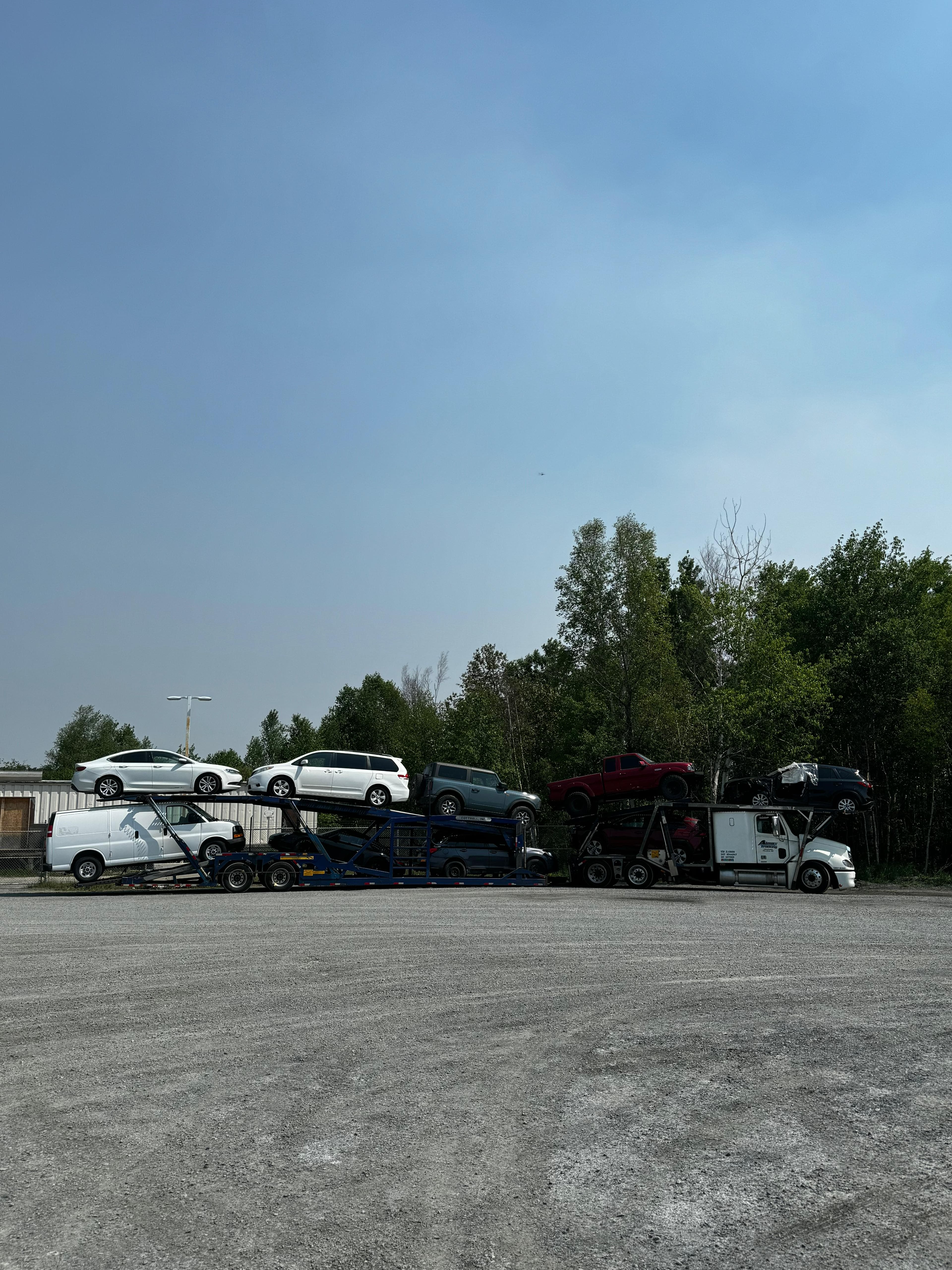
- Open Transport: Generally more economical and suitable for standard vehicles. However, exposure to elements means a meticulous pre- and post-inspection is vital.
- Enclosed Transport: Offers protection from weather and road debris, making it ideal for luxury or classic cars. This option might reduce the likelihood of minor damages.
Prairie Auto Transport provides both options, allowing customers to choose based on their needs and the value of their vehicle.
| Feature | Open Transport | Enclosed Transport | |---------------------|-----------------------|-----------------------| | Cost | Lower | Higher | | Protection Level | Moderate | High | | Ideal For | Everyday vehicles | Luxury/classic cars | | Inspection Focus | Exterior condition | Overall protection |
What Should You Do If Your Vehicle Arrives with Damage?
While rare, damage can occur during transit. Here's what you should do:
- Document the Damage: Take detailed photos and notes immediately.
- Review the Condition Report: Compare with the pre-shipping inspection document.
- Contact Prairie Auto Transport: Reach out to us at (204) 332-1935 to report the issue.
- File an Insurance Claim: If applicable, utilize the inspection reports to initiate a claim.
Prompt action ensures a swift resolution, minimizing inconvenience.
Ready to Ship Your Vehicle?
Trust Prairie Auto Transport to handle your vehicle with care and professionalism. Whether you're moving across Canada or shipping a car from Toronto to Vancouver, our team is ready to assist. Get an instant quote today or call us at (204) 332-1935 to discuss your needs.
Frequently Asked Questions
Why is vehicle inspection important before shipping?
Vehicle inspection before shipping ensures that any pre-existing damage is documented, which helps in comparing the condition of the vehicle upon delivery.
What if I disagree with the inspection report?
If you disagree with any findings in the inspection report, discuss your concerns with the transport company immediately. Documentation like photos can aid in resolving disputes.
How can I prepare my vehicle for inspection?
Ensure your vehicle is clean, remove personal items, and check fluid levels. This helps facilitate a thorough inspection and accurate documentation.
What are the most common damages during transport?
While rare, the most common damages include minor scratches and dents, typically from road debris in open transport scenarios.